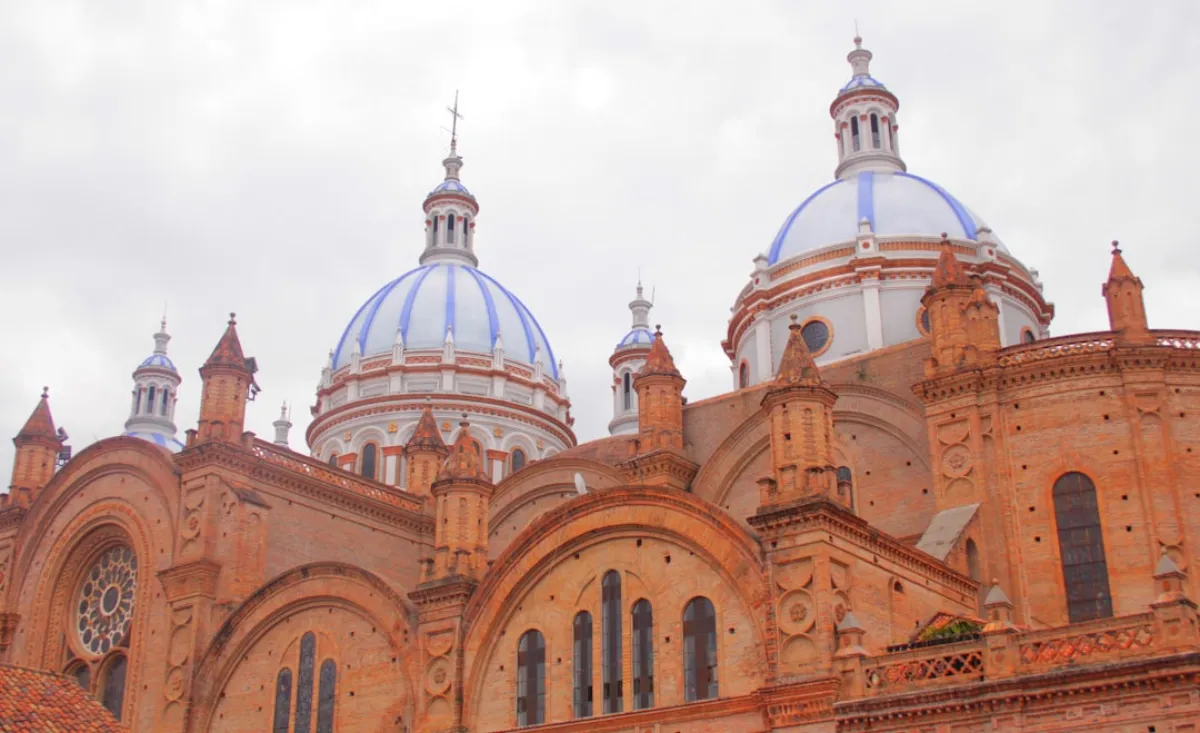
The Capital That Gets Overlooked
Ask ten Americans about retiring in Ecuador, and nine will talk about Cuenca. That's fair — Cuenca has earned its reputation as the default expat retirement destination. But it means Quito, Ecuador's capital and largest city, gets systematically underestimated by the retirement crowd.
That's a mistake for certain types of retirees.
Quito is a UNESCO World Heritage capital — the first city ever awarded that designation (1978). It's a cosmopolitan metropolis of 2.8 million people with Ecuador's best hospitals, most international restaurants, richest cultural life, best-connected airport, and a sophistication that Cuenca simply can't match. It also has more traffic, worse pollution, higher altitude, and a steeper learning curve.
This guide covers everything you need to know about retiring in Quito: the neighborhoods worth considering, the costs, the healthcare, the culture, and — critically — how Quito compares to Cuenca so you can make an informed choice.
The City at a Glance
| Factor | Detail |
|---|---|
| Population | ~2.8 million (metro area ~3.2 million) |
| Altitude | 9,350 feet (2,850 meters) |
| Climate | Spring-like year-round, cooler and wetter than Cuenca |
| Expat population | ~3,000–5,000 (smaller than Cuenca, more internationally diverse) |
| Airport | Mariscal Sucre International (UIO) — Ecuador's main international hub |
| Time zone | EST (UTC-5) year-round |
| Currency | U.S. Dollar |
| Language | Spanish (more English spoken than Cuenca in business/tourism) |
| Metro system | Quito Metro opened 2024 — modern, clean, efficient |
Why Retirees Should Consider Quito
It's the Real Ecuador — Unfiltered
Cuenca's expat community is large enough that you can live there for years without deeply engaging with Ecuadorian culture. Quito's smaller expat population means you're more immersed from day one. You'll speak more Spanish, interact with more Ecuadorians, and experience a more authentic version of the country.
For retirees who want cultural immersion over expat community comfort, Quito delivers.
The Best Healthcare in Ecuador
This is not debatable. Quito has Ecuador's top hospitals and the highest concentration of specialists:
- Hospital Metropolitano — Ecuador's premier private hospital. International accreditation, state-of-the-art facilities, many U.S.- and European-trained physicians.
- Hospital de los Valles — Excellent private hospital in the Cumbaya valley. Modern, well-equipped, convenient for valley residents.
- Hospital Vozandes — High-quality private hospital with a long reputation for excellent care.
- Hospital Carlos Andrade Marin (IESS) — The main public hospital. Large, comprehensive, and the best IESS facility in the country.
- Hospital de Especialidades Eugenio Espejo — Major public teaching hospital with specialists across every discipline.
- Clinica Pasteur — Specialized in cardiology and internal medicine.
Cuenca has good healthcare. Quito has the best in the country — period. If access to top-tier medical care is your priority, Quito has a clear advantage. For comprehensive information about healthcare as a retiree, see our healthcare guide.
The Airport Makes Life Easier
Mariscal Sucre International Airport (UIO) is Ecuador's primary international hub. Direct flights to Miami, Houston, Atlanta, New York, and other U.S. cities. Multiple daily departures. Competitive pricing.
From Cuenca, getting to the U.S. requires a connection through Quito or Guayaquil. From Quito, you're direct. For retirees who travel frequently — visiting family, medical trips to the U.S., exploring South America — this is a meaningful quality-of-life advantage.
Typical fares to the U.S.: $350–$600 round-trip to Miami. With the 50% senior discount on connecting domestic legs, the savings add up fast.
Cultural Life That Rivals Any South American Capital
Quito's cultural offerings blow Cuenca out of the water:
- Museums: Museo Nacional, Capilla del Hombre (Guayasamin), Museo de la Ciudad, Casa del Alabado, Museo Mindalae — dozens of world-class institutions
- Historic center: The largest and best-preserved colonial center in the Americas. Churches, plazas, monasteries, and architecture spanning four centuries.
- Restaurants: From street food to fine dining, Quito has Ecuador's best and most diverse restaurant scene. Japanese, Peruvian, Italian, French, Middle Eastern, Thai — cuisines that simply don't exist in Cuenca.
- Nightlife and entertainment: Live music, theater, cinema, bars, clubs — a full spectrum for every taste.
- Shopping: Quito Mall, Scala Shopping, CCI, Cumbaya's Plaza Cumbaya — modern shopping with international brands.
- International events: Quito hosts international film festivals, music festivals, conferences, and sporting events that bypass smaller cities entirely.
If "things to do" matters to your retirement happiness, Quito offers ten times what Cuenca does.
Altitude: Higher Than Cuenca, and It Matters
Quito sits at 9,350 feet (2,850 meters) — nearly 1,000 feet higher than Cuenca. This is one of the highest capital cities in the world, and the difference from Cuenca is noticeable.
What the Extra Altitude Means
- Acclimation takes longer. Expect 2–3 weeks to feel fully normal, versus 1–2 weeks in Cuenca.
- Shortness of breath is more pronounced — especially during the first week. Climbing stairs, walking uphill, and any physical exertion will leave you more winded than at 8,400 feet.
- Sleep disruption can last longer. Some people report difficulty sleeping for the first 1–2 weeks.
- Cooking adjustments are more extreme — water boils at about 194 F (vs. 212 F at sea level and 197 F in Cuenca). Pressure cookers are essential.
- Alcohol hits harder and faster.
- UV radiation is even more intense than Cuenca. Sunscreen is mandatory.
Who Should Think Twice
Everything that applies to Cuenca's altitude applies more strongly to Quito. If you have serious respiratory conditions, heart failure, or severe sleep apnea, consult your doctor before committing to Quito. The extra 1,000 feet is physiologically significant.
The Valley Alternative
Here's the thing about Quito that changes the altitude equation: the eastern valleys — Cumbaya and Tumbaco — sit at approximately 7,800 feet (2,400 meters). That's actually lower than Cuenca. Many of Quito's most desirable retiree neighborhoods are in these valleys, giving you the benefits of the capital city without the full altitude penalty.
Climate: Cooler and Wetter Than You Expect
The Numbers
- Daytime temperature: 60–70 F (15–21 C) year-round in the city center; slightly warmer in the valleys
- Nighttime temperature: 45–52 F (7–11 C) — cooler than Cuenca
- Rainy season: October–May, with the heaviest rains in March–April
- Dry season: June–September — the best months, sunny and pleasant
- Average annual rainfall: About 50 inches (higher than Cuenca's 32 inches)
The Reality
Quito is cooler and wetter than Cuenca. The extra altitude and the city's position in a mountain basin mean more cloud cover, more rain, and cooler temperatures, especially in the city center. The valleys (Cumbaya, Tumbaco) are noticeably warmer and sunnier — one of the many reasons retirees prefer them.
The rain pattern is similar to Cuenca — mornings are often clear, with rain arriving in the afternoon. But Quito gets more sustained rain and more overcast days overall. If weather is a top priority and you want maximum sunshine, Cuenca or Vilcabamba edges out Quito.
Neighborhoods for Retirees
Cumbaya — The Clear Expat Favorite
Cumbaya is a suburban valley town about 30 minutes east of central Quito (connected by a highway tunnel through the mountain). It's where the majority of Quito's expat retirees live, and for good reason.
- Altitude: ~7,800 feet (lower than Cuenca)
- Climate: Warmer and sunnier than central Quito — more "eternal spring" feeling
- Vibe: Upscale suburban, excellent restaurants and shops, international schools, modern infrastructure
- Rent (2BR): $600–$1,100
- Pros: Best restaurants and cafes in the Quito area, excellent Hospital de los Valles nearby, modern apartment buildings, walkable central area, quieter than the city, strong international community (diplomats, NGO workers, international business)
- Cons: Can feel bubble-like, higher rents than other areas, traffic to/from central Quito during rush hour, less "authentically Ecuadorian" than other neighborhoods
- Best for: Retirees who want quality of life, modern amenities, and a cosmopolitan community without the density and chaos of the capital
Tumbaco — Cumbaya's Quieter Neighbor
Adjacent to Cumbaya but less developed and less expensive.
- Altitude: ~7,700 feet
- Climate: Similar to Cumbaya — warm, pleasant
- Vibe: More residential, less commercial, quieter
- Rent (2BR): $450–$800
- Pros: Better value than Cumbaya, quieter, close to Hospital de los Valles, more space (houses with gardens available), growing restaurant scene
- Cons: Fewer walkable amenities than Cumbaya, still developing, needs a car or taxi for many errands
- Best for: Retirees who want the valley lifestyle at a lower price point and don't mind less walkability
Gonzalez Suarez — Urban With a View
A prestigious avenue in central-north Quito with high-rise apartments overlooking the Guapulo valley.
- Altitude: ~9,200 feet
- Vibe: Urban, upscale, spectacular views
- Rent (2BR): $700–$1,200
- Pros: Stunning valley and mountain views, close to La Floresta and Guapulo, walking distance to restaurants and shops, modern apartment buildings, excellent location for urban lifestyle
- Cons: Full city altitude, traffic noise, parking challenges, urban density
- Best for: Retirees who want an urban lifestyle with world-class views and don't mind altitude
La Floresta — The Creative Quarter
A bohemian, artsy neighborhood in the central-north part of the city.
- Altitude: ~9,200 feet
- Vibe: Artistic, youthful, walkable, independent shops and cafes
- Rent (2BR): $500–$900
- Pros: Excellent walkability, vibrant cafe and restaurant scene, art galleries, independent bookstores, more character than Cumbaya, diverse community (students, artists, professionals, expats)
- Cons: City altitude, some noise, smaller apartments, older buildings, some streets feel sketchy at night
- Best for: Retirees with artistic or intellectual interests who want urban energy and cultural richness
Old Town (Centro Historico) — For the Brave and the Passionate
Quito's colonial center is breathtaking — one of the most magnificent historic districts in the Americas.
- Altitude: ~9,350 feet
- Vibe: Historic, intense, culturally rich, visually stunning
- Rent (2BR): $350–$600
- Pros: UNESCO World Heritage architecture, lowest rents, the most culturally immersive experience possible, proximity to museums and churches, incredible photography opportunities
- Cons: Safety concerns (especially at night), older infrastructure, noise, limited modern amenities, air quality, can be overwhelming for daily life
- Best for: Adventurous retirees with strong Spanish skills who prioritize cultural immersion above convenience and are willing to manage safety considerations
Cost of Living in Quito (2026)
Quito is slightly more expensive than Cuenca overall, primarily due to higher rents in desirable neighborhoods. But it's still dramatically cheaper than any U.S. city.
Comfortable Couple's Budget: $2,000–$3,000/month
| Category | Monthly Cost |
|---|---|
| Rent (2BR furnished, Cumbaya/Tumbaco) | $650–$1,100 |
| Groceries | $300–$450 |
| IESS Healthcare | $88 |
| Utilities | $50–$90 |
| Internet + phones | $55–$75 |
| Transportation (taxis, Metro, Uber) | $80–$150 |
| Dining out | $200–$350 |
| Entertainment/culture | $100–$150 |
| Household help (1x/week) | $60–$80 |
| Miscellaneous | $100–$150 |
How It Compares to Cuenca
- Rent: 10–30% higher in comparable neighborhoods
- Dining out: Slightly higher, but more options (and more expensive international restaurants to tempt you)
- Transportation: Higher — Quito is bigger, distances are greater, you'll use taxis/Uber more
- Groceries: Similar pricing
- Healthcare: Similar for routine care; Quito's advantage is in specialist/complex care
- Entertainment: More options means more opportunity to spend
For a detailed cost comparison across Ecuadorian cities, see our cost of living guide.
Safety in Quito
Quito requires more safety awareness than Cuenca. It's a large capital city with 2.8 million people, and it has the crime profile of a major Latin American metropolis.
The Valley Advantage
Cumbaya and Tumbaco are significantly safer than central Quito. Gated communities, private security, and a smaller-town feel within the metropolitan area make the valleys the clear choice for safety-conscious retirees.
Central Quito Realities
- Petty crime (pickpocketing, phone snatching) is more common than in Cuenca, especially in tourist areas and public transportation
- The historic center requires extra caution, particularly after dark
- Express kidnappings (being forced to withdraw ATM cash) have occurred, though they're declining and rare in residential neighborhoods
- Northern Quito (business district, upscale residential) is reasonably safe with normal precautions
Practical Safety Tips for Quito
- Use ride-hailing apps (Uber, inDriver) instead of hailing taxis on the street
- Stay in well-lit, populated areas after dark
- Keep valuables concealed — don't flash phones, watches, or jewelry
- Use ATMs inside banks and malls — never street-facing machines
- In the valleys, normal precautions are sufficient — lock doors, don't leave valuables visible
- Join the STEP program at step.state.gov for embassy alerts
For a complete safety assessment of all Ecuadorian cities, read our safety guide.
The Expat Community in Quito
Smaller but More Diverse
Quito's expat community is estimated at 3,000–5,000 people — significantly smaller than Cuenca's 12,000. But it's more internationally diverse:
- Diplomats and embassy staff from dozens of countries
- NGO and international organization workers (UN agencies, Red Cross, various foundations)
- International business professionals
- American and European retirees (a smaller but growing contingent)
- Digital nomads and remote workers
This gives Quito's expat social life a different flavor — more international, more professional, less retirement-focused. You're as likely to have dinner with a German diplomat as a retired accountant from Ohio.
Finding Community
- InterNations Quito — Regular events for the international community
- Facebook groups — "Expats in Quito," "Quito Expats" and others
- Embassy events — The U.S. Embassy hosts periodic community events
- Cumbaya social scene — Restaurants and cafes in Cumbaya serve as informal community hubs
- Cultural organizations — Alliance Francaise, Goethe Institut, Centro Cultural Metropolitano
- Hash House Harriers — Active Quito chapter for social hiking/running
- Volunteer organizations — Multiple options for community engagement
The Trade-Off
You won't have the instant, large-scale social network that Cuenca offers. Making friends in Quito requires more effort. But the friendships tend to be more diverse and the social life more cosmopolitan. For retirees who felt that Cuenca's expat community might be too insular, Quito offers a different model.
Cultural Life: Quito's Undeniable Advantage
This is where Quito leaves Cuenca in the dust.
Museums and Art
- Capilla del Hombre — Guayasamin's masterpiece, a monument to the suffering and resilience of Latin America's indigenous people. World-class.
- Museo Nacional del Ecuador — Comprehensive national museum covering archaeology, colonial art, and modern art.
- Museo de la Ciudad — Quito's history told through an beautifully restored colonial hospital.
- Casa del Alabado — Pre-Columbian art in a stunning colonial house.
- Centro Cultural Metropolitano — Major exhibitions, concerts, and events.
- La Compania de Jesus — A Jesuit church covered in gold leaf. One of the most spectacular baroque interiors in the Americas. Not a museum, but an experience.
Dining
Quito's restaurant scene is Ecuador's best by a wide margin:
- Fine dining: Multiple restaurants on Latin America's 50 Best lists
- International cuisine: Japanese, Peruvian, Italian, French, Middle Eastern, Thai, Indian, Korean — diversity that Cuenca can't approach
- Craft beer: Quito has Ecuador's most developed craft beer scene
- Coffee culture: Exceptional specialty coffee shops throughout the city
- Street food: The historic center's street food is legendary — empanadas, humitas, quimbolitos
Entertainment and Nightlife
- Live music: Jazz clubs, salsa venues, rock bars, classical concerts at Teatro Sucre and Teatro Nacional
- Theater: Multiple theater companies performing year-round
- Cinema: Major multiplexes plus independent and arthouse cinemas
- Nightlife: From quiet wine bars to full-scale clubs, Quito has nightlife for every taste and energy level
Transportation: A City That Finally Works
The Quito Metro
The Quito Metro, which opened in 2024, has been transformative. The single line runs 22 kilometers through the city center, connecting major neighborhoods and reducing dependency on surface traffic. It's clean, modern, fast, and cheap ($0.45/ride; $0.22 with senior discount).
Other Options
- Uber and inDriver: Work well throughout Quito and the valleys. Reliable, safe, and affordable. Most retirees use ride-hailing as their primary transportation.
- Taxis: Metered in Quito. $3–$8 for most in-city trips.
- Buses: Extensive but crowded and less comfortable. The Trolebus, Ecovia, and Metrobus systems are better than regular buses.
- Driving: Quito's traffic is notoriously bad. Rush hour can turn a 20-minute trip into 90 minutes. Parking is scarce in the center. Most retirees avoid owning a car and rely on taxis and ride-hailing.
Getting to the Valleys
The route between central Quito and Cumbaya/Tumbaco passes through the Guayasamin tunnel. During off-peak hours, it's 20–30 minutes. During rush hour (7:00–9:00 AM, 5:00–7:30 PM), budget 45–75 minutes. This commute time is the single biggest practical downside of valley living if you frequently need to be in central Quito.
Day Trips from Quito
One of Quito's great advantages is its location as a launchpoint for some of Ecuador's most spectacular destinations.
Mitad del Mundo (Middle of the World)
- Distance: 30 minutes north
- What: The equator monument and museum complex. Touristy but fun. Stand in both hemispheres. Watch water drain in different directions. The Intinan Solar Museum (nearby) is more hands-on and interactive than the official monument.
Otavalo Market
- Distance: 2 hours north
- What: One of the largest and most famous indigenous markets in South America. Textiles, crafts, jewelry, artwork. Saturday is the big market day, but it operates (smaller) throughout the week. A must-visit for any Ecuador retiree.
Mindo Cloud Forest
- Distance: 2 hours northwest
- What: A cloud forest town at 4,200 feet. Bird-watching paradise (500+ species), chocolate tours, zip-lining, hiking, waterfalls, butterfly gardens. Noticeably warmer and more humid than Quito.
Cotopaxi National Park
- Distance: 2 hours south
- What: Cotopaxi is one of the world's highest active volcanoes (19,347 feet). You can drive to a parking area at 15,000 feet and hike to the refuge at 15,700 feet. The páramo landscape is otherworldly. You don't need to summit to enjoy it — the park itself is spectacular.
Papallacta Hot Springs
- Distance: 1.5 hours east
- What: Natural thermal hot springs at 10,800 feet on the road to the Amazon basin. Multiple pools at different temperatures. Stunning mountain scenery. The Termas de Papallacta resort is the best-known, but smaller, cheaper options exist nearby.
Baños de Agua Santa
- Distance: 3.5 hours south
- What: Adventure capital of Ecuador. Hot springs, the "Swing at the End of the World," waterfalls, rafting, canyoning, and the gateway to the Amazon. A longer day trip or overnight destination.
Quito vs. Cuenca: The Comprehensive Comparison
This is what most retirees really want to know. Here's the honest comparison:
| Factor | Quito | Cuenca |
|---|---|---|
| Population | 2.8 million | 400,000 |
| Altitude | 9,350 ft (valleys: 7,800 ft) | 8,400 ft |
| Climate | Cooler, wetter | Slightly warmer, less rain |
| Expat community | 3,000–5,000 (diverse) | ~12,000 (mostly American) |
| Healthcare | Best in Ecuador | Excellent (second to Quito) |
| International airport | Yes — direct flights to U.S. | No — domestic + limited international |
| Restaurants/dining | Far superior variety | Good, improving, more limited |
| Cultural life | World-class museums, theater, nightlife | Good but much smaller scale |
| Safety | Requires more awareness | Generally safer |
| Cost of living | 10–20% higher | More affordable |
| Walkability | Varies by neighborhood | Very walkable city center |
| Traffic | Significant problem | Manageable |
| Air quality | Worse (basin traps pollution) | Better |
| Expat social ease | Takes more effort | Instant community |
| Colonial architecture | Spectacular (UNESCO) | Beautiful (UNESCO) |
| Day trip options | Exceptional variety | Good but fewer options |
| Internet infrastructure | Excellent | Excellent |
| "Feel" | Big city, cosmopolitan | Small city, intimate |
Choose Quito If:
- Healthcare access is your top priority — Quito's hospitals are unmatched
- You want frequent, easy U.S. travel via direct international flights
- You crave cultural richness — museums, restaurants, nightlife, diversity
- You prefer a cosmopolitan, international community over a primarily American expat bubble
- You enjoy big-city energy and don't mind the trade-offs (traffic, noise, complexity)
- You value proximity to spectacular day trips (Otavalo, Mindo, Cotopaxi)
- Cumbaya or Tumbaco appeals to you — the valley lifestyle with capital-city access
Choose Cuenca If:
- You want the largest expat community and easiest social integration
- Walkability and small-city charm matter more than cosmopolitan amenities
- You want lower costs across the board
- Safety with minimal effort is a priority
- You prefer a smaller, more intimate daily life
- You want to avoid big-city traffic and pollution
For a broader comparison of all major retirement cities, see our best cities guide.
The Cons of Quito — Honest Assessment
Traffic
Quito's traffic is genuinely bad. The city is built in a narrow valley, limiting east-west routes and funneling traffic through bottlenecks. Rush hour is brutal. The Metro has helped, but it's one line and doesn't serve the valleys. If you live in Cumbaya and need to be in central Quito regularly, traffic will be a recurring frustration.
Air Quality
Quito sits in a mountain basin surrounded by volcanoes. Emissions get trapped, and on bad days — especially during dry season — air quality is noticeably poor. For retirees with respiratory sensitivity, this is a genuine concern that Cuenca doesn't share to the same degree.
The Altitude (Again)
At 9,350 feet, Quito is among the highest capitals in the world. Even the valley neighborhoods at 7,800 feet are high enough that altitude-sensitive individuals should be cautious. The extra 1,000 feet over Cuenca may seem minor on paper but is physiologically significant.
Urban Complexity
Quito is a big city with big-city problems — crime, homelessness, aggressive street vendors, noise, pollution, overcrowding on public transport. If you're retiring to escape urban stress, Quito may not deliver the peaceful transition you're imagining. The valleys help, but you're still in the orbit of a 2.8-million-person metropolis.
Smaller Expat Safety Net
With only 3,000–5,000 expats (compared to Cuenca's 12,000), you have fewer English-speaking resources, fewer expat-oriented services, and a smaller peer group to lean on during the adjustment period. You'll need to be more self-reliant and more willing to navigate systems in Spanish.
Getting Started with Quito
The Scouting Trip Plan
- Fly into Quito's international airport — you'll immediately see the infrastructure advantage
- Spend 3–4 days in Cumbaya/Tumbaco — rent an Airbnb, walk the neighborhoods, eat at restaurants, visit Hospital de los Valles
- Spend 2–3 days in central Quito — explore La Floresta, Gonzalez Suarez, the historic center. Take the Metro. Visit museums.
- Do at least one day trip — Otavalo or Mindo to understand the region's offerings
- Talk to expats — visit the cafes in Cumbaya where the international community gathers
- Compare honestly — if you're also considering Cuenca, fly there next and do the same exercise (see our Cuenca guide)
The Visa Process
Quito, as the capital, is where Ecuador's immigration authority (Registro Civil and Cancilleria) is headquartered. Some retirees find it advantageous to process their Jubilado visa in Quito, where the central offices may move faster than regional branches. EcuaPass can guide you through the process regardless of which city you choose.
Frequently Asked Questions
Is Quito safe for American retirees?
Quito's safety is neighborhood-dependent. The northern areas popular with expats (Cumbaya, Tumbaco, Gonzalez Suarez, La Carolina) are generally safe with normal urban precautions. The historic center is safe during the day but less so at night. Southern Quito has higher crime rates and fewer expat services. Like any large Latin American capital, petty crime (pickpocketing, phone snatching) exists, and you should avoid displaying valuables. Most expat retirees in good neighborhoods report feeling safe in their daily routines. The key is choosing the right neighborhood and using common sense.
How does Quito compare to Cuenca for retirees?
Quito is bigger (2.7 million vs 400,000+), more cosmopolitan, and has better healthcare facilities and international connectivity. Cuenca is smaller, calmer, more walkable, and has a much larger, more tight-knit expat community. Quito costs 15-25% more than Cuenca for a comparable lifestyle. Quito's altitude is higher (9,350 ft vs 8,400 ft). Cuenca's expat infrastructure makes the transition easier for newcomers. Quito works best for retirees who want city energy, world-class culture, and the best hospitals. Cuenca works best for those who want a relaxed pace, close community, and lower costs.
What are the best neighborhoods in Quito for retirees?
Cumbaya and Tumbaco are the most popular with expats — they're in the Tumbaco Valley east of Quito at a lower altitude with warmer weather, modern amenities, shopping centers, and a suburban feel. Gonzalez Suarez offers high-rise living with stunning views. La Carolina and Quito Tennis areas have walkable, upscale neighborhoods with parks and restaurants. The historic center is beautiful but less practical for daily living. Each neighborhood has a distinct character — visit several during your scouting trip and try walking to groceries, restaurants, and medical facilities from potential locations.
Is the altitude worse in Quito than Cuenca?
Yes, noticeably. Quito sits at 9,350 feet (2,850m) compared to Cuenca's 8,400 feet (2,560m). That 950-foot difference is meaningful for altitude adjustment. The first few days in Quito are harder — more shortness of breath, more fatigue, and potentially stronger headaches. Most people adjust within a week, but the higher altitude is a persistent factor. Some retirees who struggle with altitude in Quito do fine in the Tumbaco Valley (Cumbaya), which sits about 1,000 feet lower than central Quito with noticeably warmer temperatures.
Does Quito have a good expat community?
Yes, but it's different from Cuenca's. Quito's expat community is larger in absolute numbers but more dispersed across a massive city. It includes more working professionals, diplomats, and younger expats alongside retirees. There are expat social groups, meetups, and organizations, but you have to seek them out more actively than in Cuenca where the community is concentrated and highly visible. The advantage of Quito's diversity is that you'll meet a broader range of interesting people. The downside is that building a close social circle takes more effort than in Cuenca.
Next Steps
- Compare your options with our Cuenca retirement guide and best cities guide
- Understand the costs with our cost of living breakdown
- Research the visa with our Jubilado visa guide — or let EcuaPass handle the paperwork
- Plan a scouting trip that includes both Quito and Cuenca for honest comparison
- Budget for healthcare using our healthcare guide — and appreciate that Quito puts Ecuador's best medical facilities at your doorstep
Quito isn't for every retiree. It's bigger, busier, and more complex than Cuenca. But for the right person — someone who values culture, cuisine, healthcare, international connectivity, and cosmopolitan energy — Quito offers a retirement experience that's richer and more stimulating than the well-worn expat path to Cuenca. The best retirement destination isn't the most popular one. It's the one that matches how you want to live.