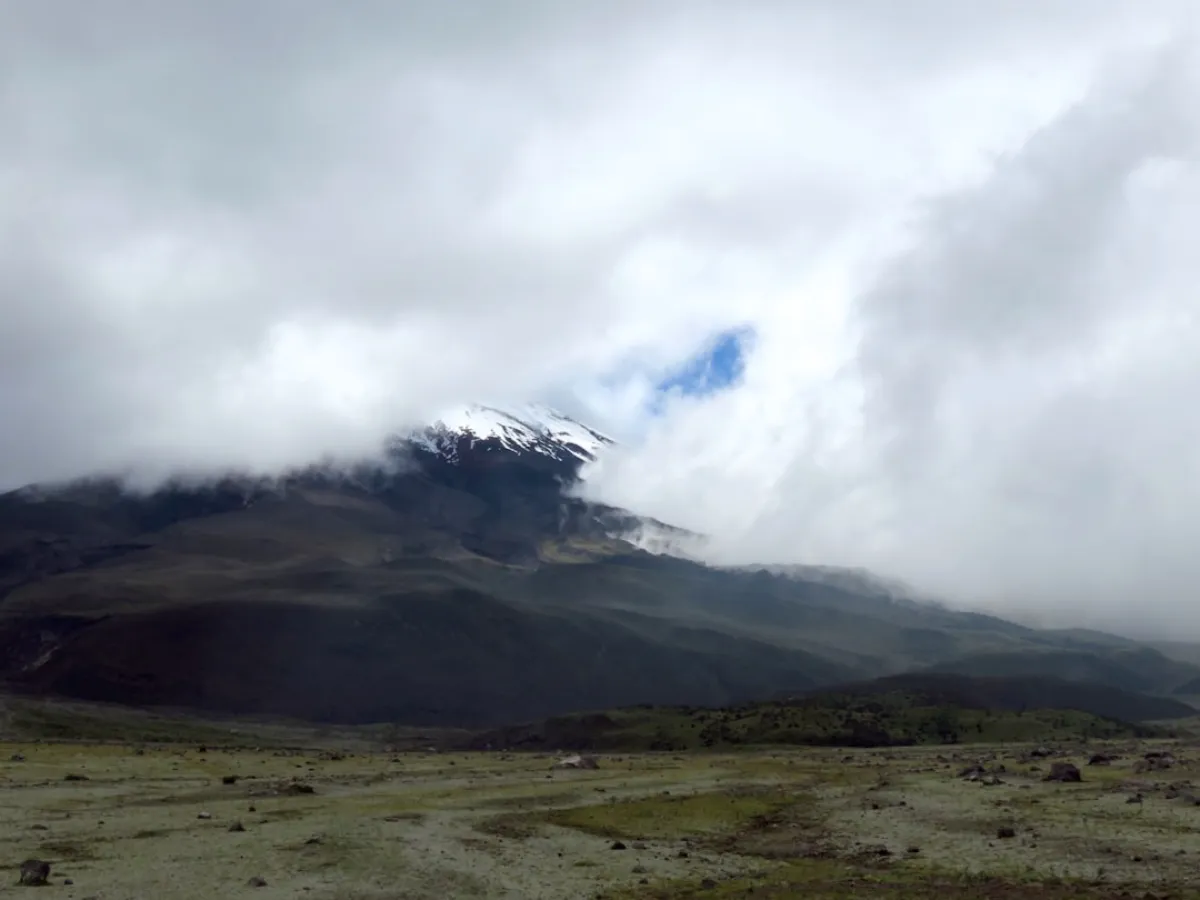
A Country With Four Climates
Ecuador sits on the equator — you knew that from the name — but the equator only tells part of the story. What most people don't realize until they arrive is that Ecuador contains four dramatically different climate zones packed into a country smaller than Colorado. You can drive from 65F perpetual spring in Cuenca to 90F tropical heat on the coast in under four hours.
For retirees, this means something powerful: you can choose your weather. Prefer eternal spring? The highlands. Love beach heat? The coast. Want something in between? Ecuador has that too. This guide breaks down each climate zone with real temperature data, rainfall patterns, and practical advice for what to pack and what to expect.
The Four Climate Zones
1. The Highlands (Sierra) — Eternal Spring
Elevation: 7,000–10,000+ feet Temperature range: 50–75F year-round Key cities: Cuenca, Quito, Ambato, Riobamba, Loja, Otavalo, Cotacachi
The Sierra is where most retirees settle, and the climate is the primary reason. Imagine the best day of spring or fall — mid-60s, sunny, a light breeze, maybe a brief afternoon shower — and then imagine that day repeating itself for the entire year. That's the highlands of Ecuador.
What "eternal spring" actually means:
- Daytime temperatures typically range from 65-75F in Cuenca and 60-70F in Quito
- Nighttime temperatures drop to 45-55F — you'll want a blanket but not a heater
- Temperature varies more by altitude and sun exposure than by month
- The difference between "summer" and "winter" is rainfall, not temperature
- Morning sun is warm and pleasant; afternoon clouds are common
- The sun sets at roughly 6:15 PM year-round (equator = consistent day length)
Seasons (defined by rain, not temperature):
| Season | Months | What to Expect |
|---|---|---|
| Dry season (verano) | June – September | Less rain, more consistent sun, cooler nights, clearest skies |
| Wet season (invierno) | October – May | Afternoon rain showers common, mornings often sunny, slightly warmer |
| Transition | October, May/June | Variable, mix of wet and dry patterns |
Important nuance: "Wet season" in Cuenca doesn't mean monsoon. It means you'll likely get a rain shower for 30-90 minutes in the afternoon, after which the sun often returns. Mornings are almost always sunny. You learn to schedule outdoor activities for the morning and keep an umbrella in your bag after lunch.
Cuenca monthly averages:
| Month | Avg High (F) | Avg Low (F) | Rainy Days | Sunshine |
|---|---|---|---|---|
| January | 72 | 48 | 12 | Moderate |
| February | 70 | 49 | 13 | Moderate |
| March | 70 | 49 | 15 | Lower |
| April | 70 | 49 | 14 | Lower |
| May | 71 | 48 | 10 | Moderate |
| June | 71 | 46 | 6 | High |
| July | 72 | 45 | 4 | High |
| August | 73 | 45 | 3 | Highest |
| September | 73 | 46 | 6 | High |
| October | 73 | 48 | 10 | Moderate |
| November | 73 | 48 | 10 | Moderate |
| December | 73 | 48 | 11 | Moderate |
Quito is cooler due to higher elevation (9,350 ft vs. Cuenca's 8,400 ft):
| Month | Avg High (F) | Avg Low (F) | Rainy Days |
|---|---|---|---|
| January | 66 | 48 | 10 |
| February | 65 | 48 | 12 |
| March | 65 | 48 | 14 |
| April | 65 | 49 | 15 |
| May | 66 | 48 | 12 |
| June | 67 | 47 | 8 |
| July | 67 | 46 | 5 |
| August | 68 | 46 | 5 |
| September | 68 | 47 | 8 |
| October | 66 | 48 | 12 |
| November | 66 | 48 | 11 |
| December | 66 | 48 | 10 |
2. The Coast (Costa) — Tropical Heat
Elevation: Sea level to 1,000 feet Temperature range: 72–95F year-round Key cities: Guayaquil, Salinas, Manta, Esmeraldas, Puerto Lopez, Olon
The coast is hot. Not "nice warm day" hot — properly tropical, humid, and sweaty hot, especially from January through May. If you're retiring from Minnesota and want warmth, you'll get it. If you're retiring from Arizona and think dry heat is more your style, the coast's humidity will be an adjustment.
Seasonal pattern:
| Season | Months | Temperature | Humidity | Rainfall |
|---|---|---|---|---|
| Wet/hot season | December – May | 80–95F | High (80%+) | Heavy, especially Feb-April |
| Dry/cool season | June – November | 72–85F | Moderate (60-75%) | Minimal |
Guayaquil is the hottest major city, regularly exceeding 90F from January through April with oppressive humidity. Air conditioning is not a luxury on the coast — it's a survival requirement. This significantly increases your utility costs compared to the highlands.
Salinas and the Santa Elena Peninsula are the driest part of the coast. While still warm, Salinas gets significantly less rain than Guayaquil and has a pleasant ocean breeze that makes the heat more bearable. The dry season (June-November) is Salinas at its best — clear skies, warm days, cool ocean air.
Coastal city monthly averages:
| Month | Guayaquil High (F) | Guayaquil Rain (in) | Salinas High (F) | Salinas Rain (in) |
|---|---|---|---|---|
| January | 89 | 6.0 | 84 | 1.5 |
| February | 89 | 8.5 | 85 | 2.0 |
| March | 90 | 9.5 | 86 | 2.5 |
| April | 89 | 6.5 | 85 | 1.0 |
| May | 87 | 2.5 | 82 | 0.5 |
| June | 83 | 0.5 | 78 | 0.2 |
| July | 82 | 0.2 | 76 | 0.1 |
| August | 82 | 0.1 | 76 | 0.0 |
| September | 83 | 0.2 | 77 | 0.0 |
| October | 84 | 0.3 | 78 | 0.1 |
| November | 85 | 0.5 | 80 | 0.1 |
| December | 87 | 2.5 | 82 | 0.5 |
3. The Amazon (Oriente) — Hot, Humid, and Wild
Elevation: 600–3,000 feet Temperature range: 75–95F year-round Key areas: Tena, Puyo, Macas, Coca, Yasuni
Very few retirees settle in the Amazon basin, but many visit for ecotourism. Here's what to expect:
- Temperature: Consistently hot, 80-95F, with minimal seasonal variation
- Humidity: High year-round, often 80-95%
- Rainfall: The wettest region in Ecuador. Rain can happen any day, any month. Heaviest rainfall is March through July, but there's no true dry season — just "less wet" periods from September through December.
- What it feels like: Imagine Florida in August, but with more rain and surrounded by pristine rainforest.
Practical notes for visitors:
- Pack light, breathable clothing
- Bring quality rain gear
- Insect repellent is essential (DEET-based recommended)
- Rubber boots are standard for jungle excursions
- Lodges typically have fans or basic AC but don't expect hotel-grade climate control
4. The Galapagos Islands — Two Distinct Seasons
Elevation: Sea level to 5,000 feet (highlands of larger islands) Temperature range: 65–86F depending on season Key areas: Puerto Ayora (Santa Cruz), Puerto Baquerizo Moreno (San Cristobal)
The Galapagos have a unique climate influenced by ocean currents rather than continental weather patterns.
| Season | Months | Air Temp | Water Temp | Conditions |
|---|---|---|---|---|
| Warm/wet season | December – May | 77–86F | 75–80F | Warmer, periodic rain, calmer seas, better snorkeling |
| Cool/dry (garua) season | June – November | 65–75F | 65–72F | Cooler, misty/overcast, rougher seas, more wildlife activity |
For retirees visiting the Galapagos:
- The warm season (Jan-May) is more comfortable for swimming and snorkeling
- The garua season has better wildlife viewing (mating seasons, more active animals)
- As an Ecuadorian resident, you pay significantly less for flights and park entry
- The senior discount (50% off domestic flights) makes Galapagos trips much more affordable
How Altitude Affects Everything
Altitude is the hidden variable in Ecuador's climate. The equatorial sun is intense at any elevation, but the air temperature drops roughly 3.5F for every 1,000 feet of elevation gain. This is why Cuenca at 8,400 feet feels like spring while Guayaquil at sea level feels like a sauna, despite being only 125 miles apart.
What altitude means for daily life:
- Sun intensity: The equator + altitude = powerful UV radiation. You can get a sunburn in 15 minutes in Cuenca, even on a cloudy day. The temperature feels mild, but the sun is deceptively strong. Wear sunscreen daily. SPF 50+ is recommended.
- Cooking: Water boils at a lower temperature at altitude. Rice takes longer to cook. Baking requires adjustments. This is a minor annoyance you adapt to quickly.
- Breathing: At 8,000+ feet, the air has about 25% less oxygen than sea level. Most people adjust within a few days to a week. Stay hydrated, take it easy the first few days, and limit alcohol initially.
- Dryness: Highland air is drier than you'd expect for a rainy climate. Skin moisturizer and lip balm become daily necessities.
- Temperature swings within a single day: It's common for mornings to start at 50F, warm to 72F by noon, then drop back to 55F after sunset. Layers are the key to highland dressing.
The No-Heating, No-AC Advantage
One of the biggest financial perks of living in the Ecuadorian highlands is something you won't find on any budget spreadsheet: you don't need heating or air conditioning.
In the U.S., HVAC is one of the largest household expenses. Retirees in Arizona, Florida, or the Northeast can easily spend $150-$400/month on heating and cooling. In Cuenca, your electricity bill is $15-$35/month — total. There's nothing to heat, nothing to cool.
Compare monthly utility costs:
| Location | Avg Monthly Electric Bill | Heating/Cooling Cost |
|---|---|---|
| Cuenca, Ecuador | $15–$35 | $0 |
| Phoenix, AZ | $150–$250 | Included (AC essential) |
| Minneapolis, MN | $100–$200 | $100-$300 (heating) |
| Miami, FL | $120–$200 | Included (AC essential) |
| Asheville, NC | $100–$180 | $80-$200 (heating + AC) |
That's $1,200-$4,800/year in HVAC savings alone. Over a 20-year retirement, you're looking at $24,000-$96,000 that stays in your pocket. The highlands climate isn't just pleasant — it's profitable.
The coast is different. Air conditioning is essential in Guayaquil, Manta, and most coastal cities during the hot season. Budget $80-$150/month for electricity if you're running AC regularly. This is a significant cost difference versus the highlands.
UV Index Warning — Take This Seriously
Ecuador straddles the equator and many popular retirement cities are at high altitude. This combination produces some of the highest UV radiation levels on the planet.
The numbers:
- UV Index in Cuenca: Routinely 11-14+ (extreme) on clear days
- UV Index in Quito: Routinely 12-16+ (extreme to off-the-chart)
- For comparison, peak summer UV in Miami is typically 10-11
What this means practically:
- Sunburn in 10-15 minutes of unprotected exposure is possible
- Wear SPF 50+ sunscreen daily, even on cloudy days (UV penetrates clouds at altitude)
- A wide-brimmed hat is not optional — it's essential gear
- Sunglasses with UV protection are a must
- Peak UV hours (10 AM - 3 PM) are when you should seek shade or cover up
- Long-term residents should get annual skin checks — cumulative UV exposure increases skin cancer risk
Many new arrivals underestimate this because the temperature feels cool and mild. The sun doesn't care that it's 68F — at 8,400 feet on the equator, it's blasting you with extreme UV regardless.
Natural Disaster Awareness
Ecuador's geography comes with some natural risks worth understanding:
Earthquakes
Ecuador sits on the Pacific Ring of Fire and is seismically active. The country has experienced significant earthquakes, most recently the devastating 7.8-magnitude quake in Pedernales (coast) in April 2016.
What to know:
- Small tremors are relatively common and rarely cause damage
- Major earthquakes are rare but real — building codes have improved since 2016
- Cuenca and the highlands are generally less seismically active than the coast
- Learn earthquake safety basics: drop, cover, hold on
- Identify the safest spots in your home and building exit routes
El Nino
El Nino weather patterns periodically bring heavy rains and flooding, primarily affecting the coast.
What to know:
- Strong El Nino events (like 1997-98) caused severe flooding along the coast
- The highlands experience increased rainfall during El Nino but less severe impacts
- El Nino events are tracked well in advance — you'll have warning
- Insurance and choosing housing above flood zones mitigates risk
Volcanic Activity
Ecuador has several active volcanoes, including Cotopaxi and Tungurahua.
What to know:
- Cuenca is not near any active volcanoes — ash fall is extremely rare
- Quito is within range of Cotopaxi — ash fall is possible during eruptions (most recently active in 2015)
- Volcanic eruptions are monitored and early warning systems exist
- This is a known risk in Quito that most residents accept and manage
What to Pack for Each Region
Highlands (Cuenca, Quito) — Year-Round Essentials
| Item | Why |
|---|---|
| Light jacket or fleece | Mornings and evenings are cool (45-55F) |
| Rain jacket or compact umbrella | Afternoon showers, especially Oct-May |
| Layers (long-sleeve shirts, light sweaters) | Temperature swings of 20+ degrees in a single day |
| Comfortable walking shoes | Cities are walkable, sidewalks uneven |
| SPF 50+ sunscreen | Extreme UV at altitude — non-negotiable |
| Wide-brimmed hat | Sun protection essential |
| UV-blocking sunglasses | Protect your eyes from equatorial sun |
| Light scarf or wrap | Versatile for cool evenings and sun protection |
| Moisturizer and lip balm | Highland air is drier than expected |
What you DON'T need: Heavy winter coats, snow boots, shorts (they work but locals rarely wear them), sandals (cobblestone streets), or beachwear.
Coast (Guayaquil, Salinas, Manta)
| Item | Why |
|---|---|
| Light, breathable clothing | Cotton and linen are your friends |
| Shorts and sandals | It's too hot for anything else |
| Swimsuit | Beach access everywhere |
| Sunscreen SPF 50+ | Intense sun, even more than highlands |
| Insect repellent | Mosquitoes along the coast, especially in wet season |
| Rain jacket (wet season only) | Heavy tropical rains Dec-May |
| Portable fan | Power outages in hot weather are miserable without one |
Amazon / Jungle Visits
| Item | Why |
|---|---|
| Quick-dry clothing | You will get wet |
| Waterproof rain gear | Essential, not optional |
| Rubber boots or waterproof hiking shoes | Muddy trails are standard |
| DEET insect repellent | Mosquitoes carry dengue and other diseases |
| Long sleeves and pants | Insect and plant protection |
| Small daypack | For excursions from your lodge |
Monthly Climate Comparison — The Big Picture
| Month | Cuenca (F) | Quito (F) | Guayaquil (F) | Salinas (F) | Character |
|---|---|---|---|---|---|
| Jan | 48–72 | 48–66 | 75–89 | 72–84 | Highland rain starts; coast heats up |
| Feb | 49–70 | 48–65 | 75–89 | 73–85 | Wettest month highlands; coast peak heat |
| Mar | 49–70 | 48–65 | 76–90 | 74–86 | Heavy rain both regions; Carnival season |
| Apr | 49–70 | 49–65 | 75–89 | 73–85 | Rain easing in highlands; coast still wet |
| May | 48–71 | 48–66 | 73–87 | 71–82 | Transition month; coast drying out |
| Jun | 46–71 | 47–67 | 71–83 | 68–78 | Highland dry season begins; coast pleasant |
| Jul | 45–72 | 46–67 | 70–82 | 67–76 | Driest month highlands; coast coolest |
| Aug | 45–73 | 46–68 | 70–82 | 67–76 | Clear skies highlands; coast cool and dry |
| Sep | 46–73 | 47–68 | 72–83 | 68–77 | Dry continues; warming starts |
| Oct | 48–73 | 48–66 | 73–84 | 69–78 | Rain returns highlands; coast warming |
| Nov | 48–73 | 48–66 | 74–85 | 70–80 | Moderate rain highlands; coast pleasant |
| Dec | 48–73 | 48–66 | 74–87 | 72–82 | Holiday season; coast wet season begins |
Frequently Asked Questions
What is the weather like in Cuenca year-round?
Cuenca has a mild, spring-like climate year-round with temperatures between 48-73F (9-23C). Mornings are cool, midday is warm and sunny, and evenings cool down again. There's a rainy season from October to May (afternoon showers, not all-day rain) and a drier season from June to September. You'll never need air conditioning or heavy heating. The locals joke that Cuenca has all four seasons in a single day — bring layers. Humidity is low, sunshine is abundant, and the overall climate is one of the most comfortable in the world.
Does Ecuador get cold?
It depends on where you are. The highlands (Cuenca, Quito) can feel chilly, especially in the mornings and evenings when temperatures drop to the upper 40s-low 50s F. At night, you'll want a warm blanket. The coast stays warm (70-90F) year-round. Vilcabamba, at a lower altitude than Cuenca, is warmer with lows in the upper 50s. Ecuador never gets truly cold by U.S. standards — no snow, no ice, no below-freezing temperatures in the cities. But if you run cold, bring a jacket and warm sleepwear for the highlands.
What should I pack for Ecuador's climate?
For the highlands (Cuenca, Quito, Cotacachi): layers are essential. Light long-sleeve shirts, a medium-weight jacket, a rain jacket, comfortable walking shoes, and sunscreen (the equatorial sun is intense at altitude). For the coast: light, breathable clothing, shorts, sandals, sunscreen, and a hat. Regardless of location, pack sunglasses and SPF 50+ sunscreen — the UV index at Ecuador's altitude is extreme. Many retirees are surprised by how strong the sun feels, even on cool days in Cuenca.
Does it rain a lot in Ecuador?
In the highlands, rain is seasonal and predictable. During the rainy season (October-May), expect afternoon showers that typically last 1-2 hours — mornings are usually sunny. Annual rainfall in Cuenca is about 33 inches, less than many U.S. cities. The coast gets heavy rain from January to May and is drier the rest of the year. The Amazon side of Ecuador is wet year-round. Most retirees in the highlands find the rain pattern pleasant — it keeps everything green without ruining entire days.
Is the altitude a problem in highland Ecuador?
Cuenca (8,400 ft) and Quito (9,350 ft) are high enough to cause altitude effects in some people. Common symptoms include shortness of breath during exertion, mild headaches, and fatigue during the first 3-7 days. Most people adjust quickly. Serious altitude sickness is uncommon at these elevations. People with heart or lung conditions should consult their doctor before committing to a highland city. If altitude concerns you, Vilcabamba at 5,000 ft offers a compromise with warmer weather and no altitude effects, or the coast eliminates the issue entirely.
Next Steps
- Choose your climate zone — this is one of the most important lifestyle decisions for your retirement. Our guide to the best cities for retirement breaks down each option in detail.
- Plan a scouting trip during both seasons if possible — visit your target city during the wet season AND the dry season to experience the full range.
- If Cuenca is your top choice, read our Cuenca retirement guide for neighborhood-specific details.
- Factor climate into your budget — choosing the highlands over the coast saves $100-$200/month in electricity (no AC) alone. See our cost of living guide for complete breakdowns.
- Understand why retirees choose Ecuador — climate is just one of many compelling reasons, but for many people, it's the one that seals the deal.
Ecuador's climate diversity is one of its greatest assets. In what other country can you choose between eternal spring, tropical beach heat, and cloud forest mist — all within a few hours' drive? For retirees who spent decades enduring brutal winters or oppressive summers, Ecuador's highlands offer something almost magical: weather you never have to think about, complain about, or pay to escape.
That alone is worth the move.